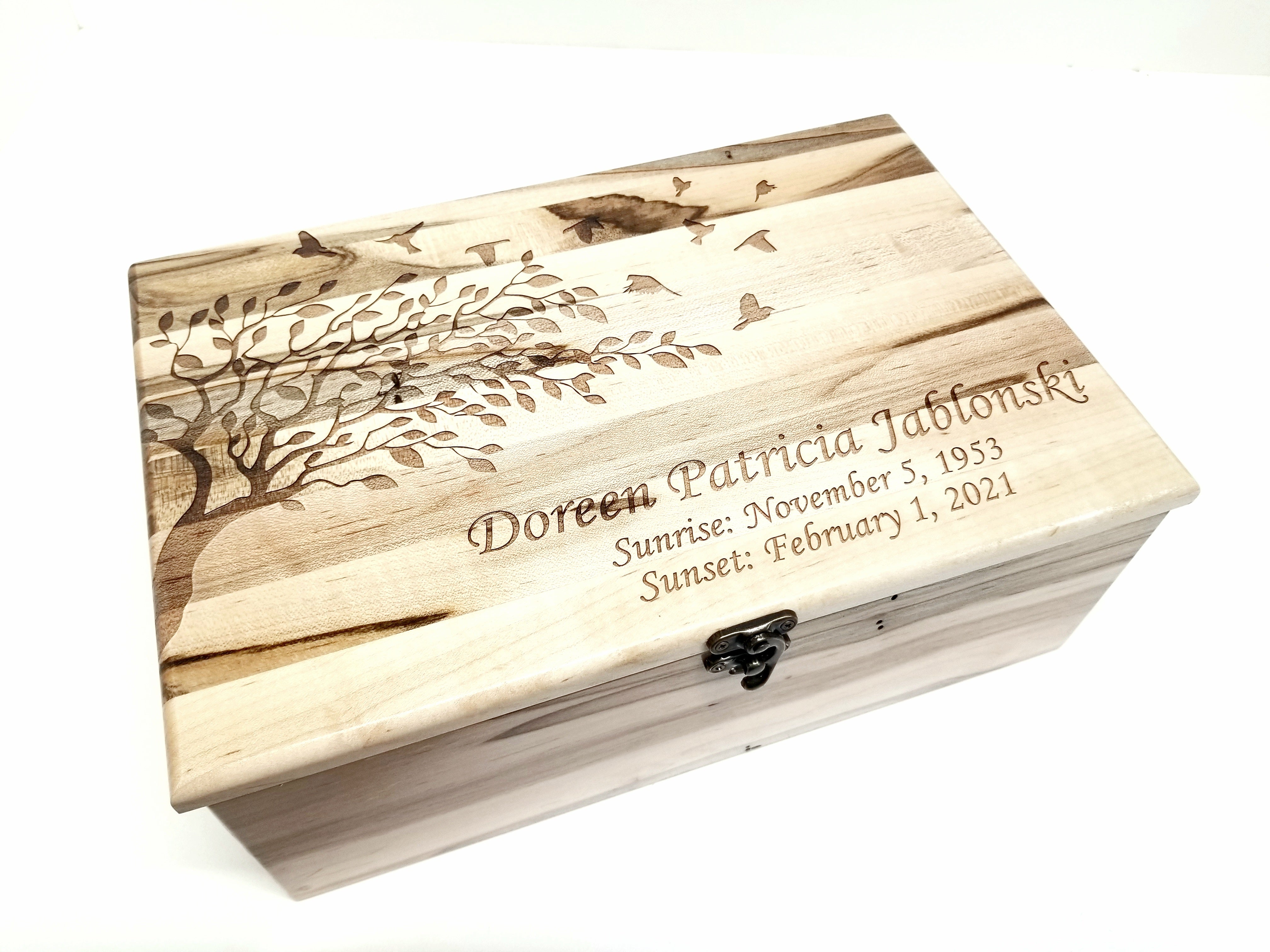
You can declutter sentimental things without the guilt by following a specific sorting system. This process involves honoring the memory of the object while acknowledging that the item itself is not the person or the moment. Most people find they can finish a single box of memories in about forty-five minutes once they have a plan.
How to declutter sentimental things without the guilt
The first step is to create a physical boundary for what you will keep. Choose one sturdy plastic bin or one beautiful wooden chest for your most precious items. This container acts as your limit so you do not have to decide on every single item individually. When the box is full, you know that anything new coming in means something else must go out. This shift in mindset takes the pressure off your emotions and puts the focus on the space you actually have available in your home.
Set aside a block of time when you feel calm and rested. Do not try to do this at the end of a long work day or when you are feeling rushed. Give yourself twenty minutes for a small drawer or two hours for a large trunk. This allows you to process the feelings that come up without feeling overwhelmed by a ticking clock. Using the services of professional organizing experts often starts with this exact type of boundary setting to ensure success.

The three pile sorting method
To keep the process moving, you must use three distinct categories for every item you touch. It is helpful to label three physical boxes or areas on the floor so you do not get confused. If you hesitate on an item for more than thirty seconds, put it in the "maybe" pile and move to the next piece. This keeps your momentum high and prevents you from getting stuck in a cycle of sadness or indecision. Most people find that the "maybe" pile is much easier to sort once the "yes" and "no" piles are finished.
- The Essentials: Items that carry the strongest memories or are truly one of a kind, like a wedding veil or a handwritten letter from a grandparent.
- The Digital: Items that you want to remember but do not need to touch, such as children's school drawings or old trophies.
- The Release: Items that no longer serve a purpose and do not spark a clear, happy memory when you hold them.
Taking photos to preserve memories
Many items take up a lot of physical space but only hold a small amount of sentimental value. For these pieces, taking a high-quality photograph is the best way to keep the memory without the bulk. Lay the item on a plain white sheet near a window for natural light and take one clear photo. You can then move these photos into a dedicated folder on your computer or print them into a slim photobook. This often feels like a relief because you are still keeping the visual reminder of the gift or the event.
Once the photo is taken, follow these steps to let the item go:
- Check if the item can be donated to a local charity where someone else can use it.
- If the item is damaged beyond repair, recycle the materials according to your local guidelines.
- Write a brief caption for the photo in your digital album so you remember the story behind it.
- Place the physical item in a black trash bag immediately so you are not tempted to pull it back out later.
The gift of passing it on
Sometimes the guilt comes from feeling like you are wasting a perfectly good item. If you have heirlooms that you do not want but are still in good condition, ask specific family members if they truly want them. Give them a deadline of one week to come and pick the item up. If they do not want it, you have done your duty and can donate it with a clear conscience. Remember that housekeeping is about managing the home you live in now, not acting as a storage unit for everyone else.
If you have a large collection of similar things, like twenty tea cups from an aunt, pick your favorite one to keep. Use that one cup every day for your morning tea instead of hiding all twenty in a box in the basement. This honors the person much more than keeping a dusty box that never sees the light of day. By choosing the best and releasing the rest, you create a home that feels light and intentional rather than cluttered and heavy.
Comments
Post a Comment